
A Historic Gem of a Home in Florida Gets the Hurricane Protection it Deserves
Case Study: A landmark decision in favor of metal roofing gives this architecturally-significant home the long term protection it needs to endure
Renovating designated historic homes often comes with strict rules and for good reason: The goal is to maintain the original intent of the architecture as closely as possible, preserving it for the future.
But special homes also deserve special protection. And in areas where dangerous hurricane zones, monster storms and extreme weather are a serious and constant threat, adhering to outdated rules no matter what isn’t always in the best interest of a historic home or its long-term fate.
Such is the case with a gorgeous Cade Allen home located in St. Petersburg, Florida. This beautiful landmark home built in the 1920s is a stunning example of craftsmanship that is the signature to the historic Allendale neighborhood. Renovated in 2025, it also represents a turning point for how historic homes in hurricane-prone regions can be preserved.

When the Cade Allen home first received its historic designation, it had an asphalt shingle roof. However, asphalt falls far short of being able to withstand the threat of severe hurricane winds, impacts from flying debris and wind-driven rain. So when the homeowners wanted to protect the home with a high-quality, better performing roofing option and avoid the outrageously-expensive prospect of having to re-roof again, it led them to metal roofing.
But common sense changes and upgrades don’t always fit with the sometimes antiquated rules of historic preservation. After having their re-roofing plans initially rejected, the St. Pete’s Community Planning and Preservation Commission (the ultimate deciding body of community members appointed by the mayor), overturned the initial ruling and approved the use of metal roofing for the home.
This landmark decision was based on two factors: the long-term durable performance of metal as a roofing material and financial sustainability. Metal offered a smarter path forward and a much greater opportunity to protect the historical home in the long run. The new metal roof also offers the homeowners substantial annual savings on their insurance premiums, along with increased energy efficiency and reduce maintenance costs. And having a reliable, more protective roof obviously provides better safety and security, not just for the homeowners, but for the structure itself to help make sure it endures well into the future.
Installed by general contractor/installer GMR Metal Roofs and manufactured by MRA member Drexel Metals, the 4,746 square- foot new metal roof is now the ultimate in beauty and hurricane protection. Made from 16” width panels in 24-guage steel with Drexlume high performance coating, the roof meets the highest certification standards for guarding against water infiltration, impacts against windborne debris and strong winds. The new metal roof also enhances the home’s architecture with a high quality roof that is much more befitting for the grand style of the home. For specifics about the Cade Allen home, new roof and installation method details, visit https://www.drexmet.com/case_studies/preserving-a-historic-cade-allen-residence/
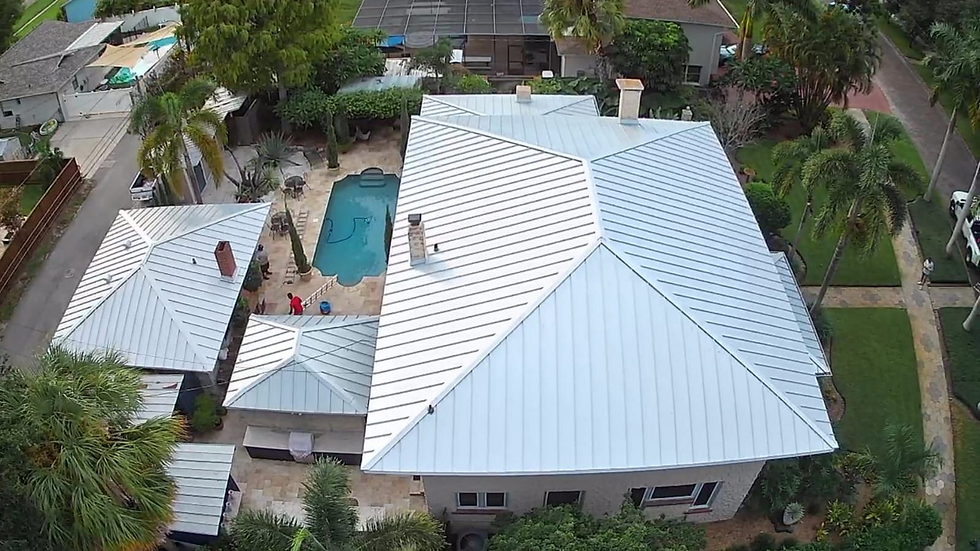
According to Jeremy Wood, General Manager at GMR Metal Roofs, this project was the culmination of decades of advocacy. “I’ve been in this industry 24 years and finally convinced a historic preservation committee to let me protect a historic home with a superior product,” he reflected. “Installing the roof was the easy part, we do that every day. The real victory was proving that metal roofing is not only compatible with historic preservation, but the best way to ensure these homes endure for the next century.”


