Your HOA Says You Can't Do What?!?
Yes, you can fight unreasonable HOA restrictions: Experts share top tips, resources for how
Key Points:
Antiquated HOA rules may prevent homeowners from making exterior improvements that enhance the quality, performance and longevity of their home and neighborhood.
HOA regulations and CC&Rs can be updated and changed by following the proper procedures. They must also comply with enforceable standards.
MRA offers resources to learn more about how HOAs operate and their oversight.
While “love” is probably too strong of a word, a lot of homeowners appreciate their Homeowners Associations (HOAs) for a certain standard of living they help protect. That includes maintaining design standards, enhancing security and/or ensuring community amenities are available and maintained.

However, there are times when having an HOA can seem like more of a headache than a help. That’s especially true when it comes to exterior renovation projects. Potential conflicts can arise between what you as a homeowner wants and your HOA. And frustration caused by perceived over-reach, arcadian rules and nebulous decision-making can make paying those HOA dues every year beyond painful.
Even home improvements that enhance the quality of your home, protect your investment and increase your neighborhood’s overall resiliency aren’t immune to outdated or biased HOA regulations.
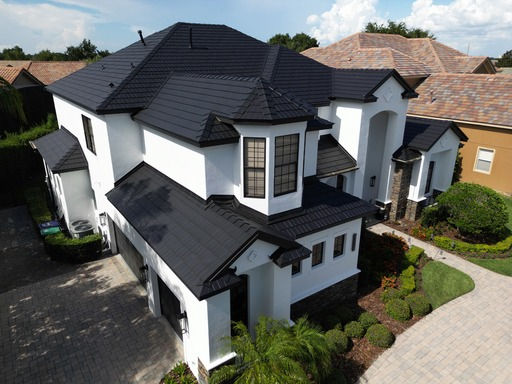
“Unfortunately, it’s not uncommon to hear cases where a homeowner wants to put on a better quality, more protective and longer-lasting metal roof, but they can’t because their neighborhood has antiquated HOA restrictions forbidding them,” said Renee Ramey of the Metal Roofing Alliance. “That’s a shame because it prevents homeowners from choosing more sustainable, easier-to-maintain options that are designed to better protect their home, and ultimately, their neighborhood.”
As a homeowner, it helps to know that you do have rights and there are opportunities to advocate for changing and updating your HOA’s rules. Working with your HOA board is the first step. While procedures can vary, this typically involves:
Reviewing your HOA bylaws, covenants, conditions and restrictions (CC&Rs) to identify the process for amendments. Rules and regs can often be changed by the board, while bylaws and CC&Rs usually require a homeowner vote.
Drafting a proposal. Write a proposal that describes the rule you want changed and why. It can help to get other homeowners to support your proposal.
Submitting your proposal to your HOA board for review. Depending on the type of change, procedure to adopt or reject may vary.
It’s also helpful to know there are 4 standards that an HOA rule must meet to be enforceable, including:
Compliance with state and federal laws. Solar panels are an example of something HOAs can not ban or restrict due to “solar access laws” that are on the books in many states. Same with building codes and standards.
Reasonableness of the rule.
Consistent enforcement for all homeowners.
Proper adoption procedures must be followed to enact rules.
Vague or arbitrary restrictions also may be deemed unenforceable. For example, if an HOA deems that only “shake style” roofs can be used but does not specify a particular material, a homeowner could reasonably assume that any material that mimics a shake shingle roof ought to be allowable.
HOAs are undoubtedly powerful and have a lot of leeway to set standards, but if you find yourself not being able to make improvements that will add to the overall quality, performance and liveability of your home due to ill-informed rules, remember, you can take action to potentially get rules and bylaws changed. Below are a few additional resources to tap into to learn more:
Community Associations Institute (CAI) website offers general information about how HOAs operate. CAI advocacy page provides links to state statutes and legislative tracking, plus information about local chapters.
HOA-USA website can help you track down directories of management companies by state. It also provides educational articles and board training videos.
HOALeader.com: A general resource for HOA board members, with articles on topics like conflict resolution and legal issues (not state-specific).